

Can Probiotics Cure BV? A Doctor’s Guide to Restoring Your Vaginal Balance in 2026
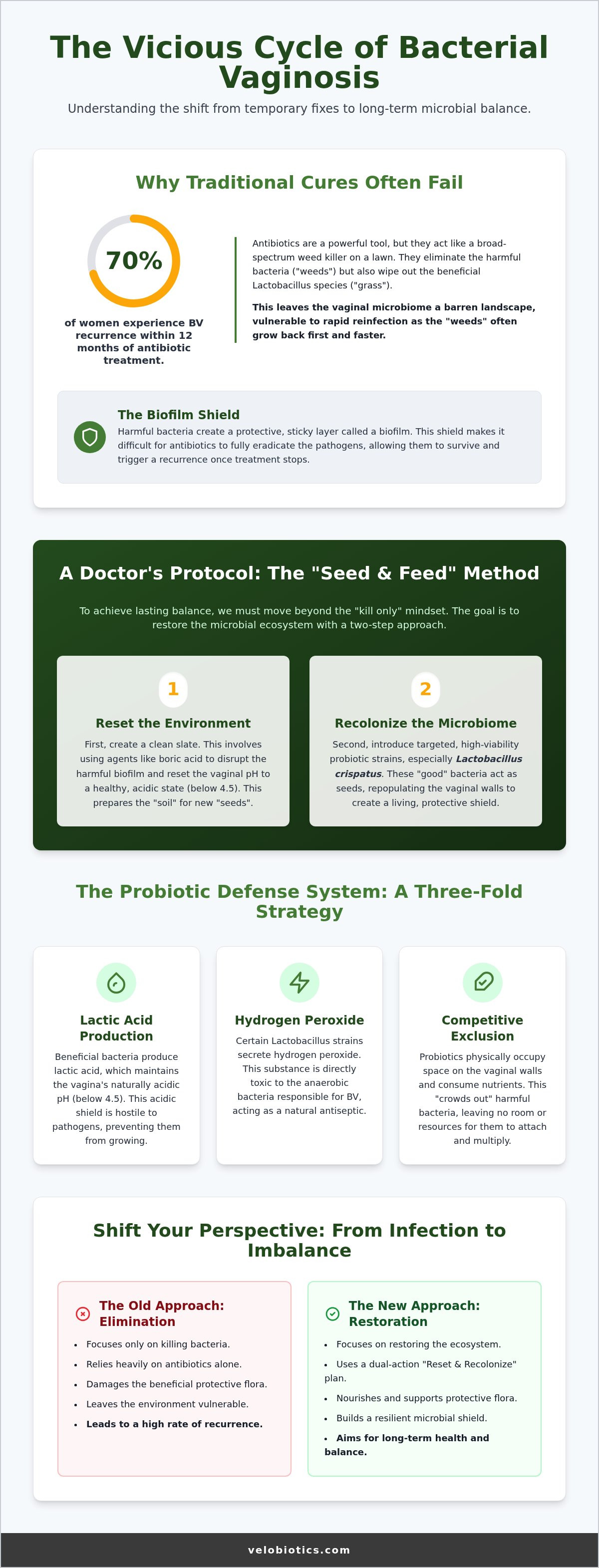
Did you know that up to 70% of women experience a recurrence of Bacterial Vaginosis within just 12 months of finishing their prescribed antibiotics? This staggering statistic highlights a fundamental gap in traditional care; while antibiotics are designed to kill harmful bacteria, they often leave the vaginal microbiome a barren landscape, vulnerable to the next infection. You've likely felt the frustration of that familiar "fishy" odor returning just as you thought you were clear. It leads many to wonder: can probiotics cure bv, or are they simply another wellness promise that lacks clinical weight?
We agree that the cycle of temporary fixes is exhausting and demoralizing. You deserve a solution rooted in biological viability rather than a "quick fix" that ignores the underlying ecosystem. This article provides a definitive look at the scientific mechanism of vaginal recolonization. You will learn why strain specificity, particularly the dominance of Lactobacillus crispatus, is the metric that actually matters for long-term health. We will preview a doctor-led protocol for restoring your internal balance, ensuring you have the confidence to choose interventions that work with your body's natural defenses to maintain a lasting, fresh feeling.
Key Takeaways
- Shift your perspective from viewing BV as a simple infection to understanding it as a complex microbial imbalance that requires environmental restoration rather than just elimination.
- Explore the scientific reality of whether can probiotics cure bv independently or if they serve better as a specialized maintenance tool to stop the cycle of reinfection.
- Identify why delivery technology and biological viability are more critical than high CFU counts when selecting a supplement that survives internal environmental stressors.
- Learn the specific roles of protective strains in creating a biological shield through the production of lactic acid, hydrogen peroxide, and biosurfactants.
- Follow a doctor-led two-step protocol that prioritizes resetting the vaginal pH before recolonizing the microbiome with targeted, high-viability probiotic strains.
The BV Revolving Door: Why Traditional Cures Often Fail
Bacterial vaginosis isn't a traditional infection like a cold or a virus; it's a state of dysbiosis, which is a complex disruption of the microbial ecosystem. When women ask, "can probiotics cure bv," they are often looking for an alternative to the heavy-handed approach of pharmaceutical interventions. While antibiotics are effective at killing pathogens, they lack the surgical precision required to protect the beneficial flora that maintains vaginal health. This lack of selectivity is exactly why the infection often feels like a revolving door.
To better understand this concept, watch this helpful video:
Think of your vaginal microbiome as a lawn. If weeds (harmful bacteria like Gardnerella vaginalis) take over, an antibiotic acts as a powerful weed killer. It clears the weeds, but it also kills the grass and leaves the soil bare. Without planting new grass seed, the weeds will simply grow back faster and stronger. One of the primary reasons for treatment failure is the formation of a vaginal biofilm. This is a protective, sticky layer created by pathogenic bacteria that acts as a physical shield. Antibiotics often struggle to penetrate this barrier, allowing small colonies of "bad" bacteria to survive. Once the medication ends, these survivors quickly multiply and trigger a recurrence.
Why Antibiotics Aren’t the Whole Story
Standard treatments like metronidazole and clindamycin are designed to eliminate overgrowth, but they don't distinguish between friend and foe. By stripping away protective Lactobacillus species, these medications leave the vaginal pH in a compromised state. As of August 2026, clinical data indicates that up to 70% of individuals will see Bacterial vaginosis (BV) return within a year of antibiotic use. A healthy vagina requires an acidic pH below 4.5 to act as a gatekeeper, a metric that antibiotics alone cannot restore.
The "Seed and Feed" Method for Vaginal Health
To achieve a lasting fresh feeling, you must move beyond the "kill only" mindset and embrace recolonization. This "Seed and Feed" approach involves resetting the environment and then planting high-viability probiotic strains. By introducing beneficial bacteria that produce lactic acid and hydrogen peroxide, you effectively crowd out pathogens and prevent them from re-establishing their biofilm. Using a dual-action solution like Femina Probiotics Cookie Fresh with Boric Acid allows you to clear the path and seed the microbiome simultaneously. This ensures the "grass" has a chance to thrive before the "weeds" can return, addressing the core question of whether can probiotics cure bv by focusing on long-term environmental stability.
How Probiotics Work Against Bacterial Vaginosis
Understanding how probiotics function requires a shift from viewing them as passive supplements to seeing them as active biological agents. These beneficial bacteria engage in a sophisticated defense strategy that goes far beyond simple presence. In the context of vaginal health, competitive exclusion is the mechanism by which dominant Lactobacillus strains physically occupy epithelial binding sites and consume available nutrients, leaving no room for Gardnerella vaginalis to thrive. By colonizing the vaginal walls, these "good" bacteria create a living shield that prevents pathogens from gaining a foothold.
The efficacy of these microorganisms relies on a three-fold biochemical defense system. First, they produce lactic acid to maintain a protective acidic environment. Second, they secrete hydrogen peroxide, which is toxic to the anaerobic bacteria that cause BV. Third, they produce biosurfactants, which are natural detergents that break down the protective biofilms that bad bacteria use to hide from your immune system. When considering if can probiotics cure bv, it's vital to recognize that their role is to fundamentally alter the chemistry of the environment so that infection becomes biologically impossible.
The Power of Lactic Acid and pH Balance
The vaginal ecosystem has a "Goldilocks zone" for health, specifically a pH range between 3.8 and 4.5. When the microbiome is balanced, your probiotics act as tiny "acid factories" that constantly churn out lactic acid. This acidity is what keeps the environment hostile to BV-causing pathogens. When the pH rises above 4.5, it triggers the production of volatile amines, which are the chemical compounds responsible for the "fishy" odor that often causes significant social anxiety. By restoring the acidic baseline, probiotics stop these odors at the source rather than just masking them. For those seeking a comprehensive reset, using Femina Probiotics Cookie Fresh with Boric Acid can help stabilize this pH while introducing fresh colonies.
Meet Your Bodyguards: Essential Probiotic Strains
Not all bacteria are equally capable of defending your health. Lactobacillus crispatus is widely considered the "Queen" of the vaginal microbiome because it produces the highest levels of protective lactic acid. Clinical research has highlighted the importance of probiotics for preventing BV recurrence, specifically focusing on how L. crispatus dominance correlates with long-term stability. Other strains like Lactobacillus rhamnosus and L. reuteri are the most researched for their ability to migrate and survive the journey to the vaginal tract. Utilizing a multi-strain approach, such as a 16-strain formula, provides a broader spectrum of protection, ensuring that if one strain faces environmental stress, others remain to maintain the defensive barrier. To explore advanced delivery systems for these strains, you might consider the doctor-formulated options at Velobiotics.
Can Probiotics Cure BV Alone? Comparing Your Options
When addressing the question of whether can probiotics cure bv, it is essential to distinguish between the acute phase of an infection and the long-term maintenance of the vaginal ecosystem. Clinical consensus suggests that for an active, symptomatic infection, probiotics are most effective as an adjunctive therapy rather than a standalone replacement for first-line treatments. While a 7-day course of generic metronidazole might cost approximately $12 and provide rapid relief from symptoms, it often fails to address the underlying microbial imbalance. Probiotics, conversely, offer a slower but more sustainable path by focusing on recolonization rather than just elimination.
Choosing between oral and vaginal delivery systems depends on your clinical goals. Vaginal suppositories deliver beneficial strains directly to the target tissue, providing a faster route to local colonization. Oral probiotics, while taking longer to migrate, are vital for addressing the intestinal reservoir of bacteria that can contribute to recurring infections. A successful protocol often requires a "best of both worlds" framework that uses targeted interventions to break down pathogenic defenses before introducing new, viable flora.
- Antibiotics: Best for rapid reduction of high pathogen loads; however, they do not restore the protective microbiome.
- Probiotics: Best for sustainable ecosystem restoration and preventing the 70% recurrence rate seen with antibiotics alone.
- Boric Acid: Acts as a "Biofilm Buster" to physically disrupt the protective matrix that bad bacteria hide behind.
The Boric Acid + Probiotic "One-Two Punch"
Boric acid is the ideal clinical partner for probiotics because it prepares the "soil" for the "seed." By lowering the vaginal pH and breaking down resistant biofilms, boric acid creates an environment where pathogenic bacteria are weakened and beneficial strains can thrive. You can achieve this dual action efficiently with Femina Probiotic COOKIE FRESH, which combines both elements in a single delivery system. There is a common myth that these ingredients cannot be used simultaneously, but when formulated correctly, the boric acid resets the environment while the probiotics begin the work of recolonization, saving you time and reducing the complexity of your routine.
When to See a Doctor vs. Treating at Home
While home-based restoration is effective for many, you must recognize clinical red flags that require immediate medical intervention. If you experience fever, pelvic pain, or atypical bleeding, it's vital to seek a professional diagnosis to rule out STIs or Pelvic Inflammatory Disease. In 2026, the rise of telehealth has made it easier to access care, with typical consultations costing around $79. When you speak to your OBGYN, be specific about your desire to incorporate probiotic therapy into your recovery plan. A doctor-led approach ensures that you aren't just treating symptoms but are strategically rebuilding your biological defenses for a future free from infection.
Biological Viability: Why Your Current Probiotic Might Be Useless
The efficacy of any probiotic intervention hinges on one factor: biological viability. You might wonder why can probiotics cure bv in controlled clinical studies but fail to produce results in your daily routine. The answer lies in the "Stomach Acid Barrier." Most standard oral probiotics are unprotected, meaning up to 90% of the active cultures are destroyed by harsh gastric acid before they even reach the intestinal tract. If these bacteria don't survive the gut, they cannot migrate to the vaginal ecosystem to perform their protective functions, rendering the supplement practically useless.
Marketing often focuses on Colony Forming Units (CFU), leading consumers to believe that higher numbers automatically equal better results. This is a common industry-wide efficacy gap. A bottle claiming 50 billion CFUs at the time of manufacture may contain only a fraction of that by the time it reaches your shelf. Exposure to ambient moisture and heat during shipping and storage often kills delicate probiotic strains before the consumer ever opens the bottle. Without a specialized delivery system, you are essentially paying for a high number of dead bacteria that offer no clinical benefit to your microbiome.
The Velobiotics Difference in Probiotic Delivery
We solve this fundamental biological problem through proprietary micro-encapsulation technology. Think of it as a "Space Suit" for each individual bacterium. This shield ensures that the probiotics remain dormant and protected from stomach acid, moisture, and heat as they travel through your system. They only activate once they reach the target environment where they can begin recolonizing the flora. This precision ensures that you aren't just ingesting numbers, but viable, active defenders. You can learn more about the science behind probiotics that survive stomach acid by exploring our commitment to clinical-grade delivery systems.
How to Read a Probiotic Label Like a Scientist
Don't just look at the brand name; look for specific strain designations. A label should list more than just "Lactobacillus rhamnosus"; it should include a specific code, such as HN001, which indicates the exact strain used in successful clinical trials. Additionally, be wary of the "Time of Manufacture" trap. Always look for a guarantee of potency at the time of expiration to ensure the product is still active when you use it. Synergistic ingredients also enhance outcomes. For instance, Femina™ Probiotic Capsules with Cranberry Extract combine targeted strains with cranberry to provide dual protection for both the urinary and vaginal tracts. If you're ready to stop wasting money on non-viable supplements, explore our scientifically validated probiotic delivery systems today.
A Doctor’s Protocol for BV Restoration in 2026
Restoring vaginal health is not a one-time event; it's a process of strategic environmental management. While the central question remains whether can probiotics cure bv, clinical evidence suggests that a multi-phase approach is required to transition from chronic dysbiosis to permanent stability. This protocol focuses on resetting the baseline, recolonizing the flora, and maintaining the ecosystem through targeted lifestyle interventions. By following a structured clinical path, you move away from the "kill-only" mindset and toward a sustainable biological defense.
- Switch to 100% cotton underwear to facilitate airflow and reduce the moisture that encourages anaerobic overgrowth.
- Eliminate douching entirely, as it physically strips away the protective Lactobacillus species you are trying to cultivate.
- Use only mild, fragrance-free, pH-balanced cleansers on the external vulva; the internal vagina is a self-cleaning organ.
The 7-Day "Fresh Start" Routine
The first phase of restoration involves a nightly application of Femina Probiotics Cookie Fresh with Boric Acid for seven consecutive days. This dual-action approach resets the vaginal pH while simultaneously introducing high-viability strains to the area. To support the system from the inside out, incorporate Femina™ Probiotic Capsules with Cranberry Extract daily. This internal support addresses the gut-vaginal axis, ensuring that beneficial bacteria can migrate and colonize effectively. During this week, track your symptoms and use over-the-counter pH strips to verify that your environment is returning to the healthy 3.8 to 4.5 range.
Long-term Habits for Permanent Balance
Maintaining your "vaginal garden" requires consistent effort after the initial reset. While supplements provide the concentrated doses needed for recovery, a diet rich in fermented foods like kefir and kimchi can support general microbiome diversity. It's also vital to manage specific triggers that can spike vaginal pH. For example, menstrual blood and semen are both alkaline, which can temporarily disrupt your balance. Implementing a "post-period" or "post-intimacy" protocol, such as a single probiotic suppository, can prevent these minor shifts from turning into a full-blown recurrence. By understanding the connection between your gut health and vaginal health, you ensure that your body has the biological resources to maintain a fresh, confident feeling indefinitely.
Take Control of Your Biological Balance
Achieving lasting relief from Bacterial Vaginosis requires moving beyond the temporary fixes of the past. As we've explored, the question of whether can probiotics cure bv is best answered by looking at the environmental restoration of the vaginal microbiome. Success depends on shifting from a strategy of pure elimination to one of sustainable recolonization. By prioritizing biological viability and choosing strains that are scientifically proven to produce protective lactic acid, you can finally break the cycle of recurrence that affects up to 70% of women within a year of antibiotic treatment.
Our doctor-led formulations utilize advanced micro-encapsulation technology to ensure 10x better survival of active cultures compared to standard, unprotected supplements. This proprietary delivery system, combined with our dual-action Boric Acid and Probiotic formula, provides the precise intervention needed to reset your pH and seed your microbiome simultaneously. You don't have to settle for the frustration of recurring symptoms when a scientifically validated protocol is within reach. Stop the BV cycle today with the Femina Cookie Fresh Protocol at Velobiotics.com and reclaim the confidence that comes with permanent internal balance. You deserve a solution that works as hard as you do to maintain your health.
Frequently Asked Questions
Can I take probiotics and antibiotics for BV at the same time?
Yes, you can. Research indicates that using probiotics alongside antibiotics improves clinical outcomes by starting the recolonization process immediately. To prevent the antibiotic from neutralizing the beneficial bacteria, it's vital to space the doses at least two to four hours apart. This strategic timing allows the probiotic strains to establish themselves in the gut or vaginal tract without immediate interference from the medication.
How long does it take for probiotics to work for BV?
Most women notice a reduction in odor and discomfort within seven to 14 days of consistent use. However, full microbial restoration is a biological process that requires patience. To achieve a permanent shift in your ecosystem and truly address whether can probiotics cure bv for the long term, you should maintain a high-viability protocol for at least 30 to 60 days.
Can eating yogurt cure my bacterial vaginosis?
Dietary yogurt is generally insufficient as a primary treatment for an active infection. While it contains live cultures, the concentration of specific vaginal strains like L. crispatus is usually too low to alter the vaginal microbiome. Furthermore, many commercial yogurts contain added sugars that can inadvertently feed the pathogens you're trying to eliminate. Targeted, micro-encapsulated supplements are necessary for clinical results.
What is the best probiotic strain for vaginal odor?
Lactobacillus crispatus is the premier strain for neutralizing vaginal odor. It's an exceptionally efficient "acid factory" that maintains the vaginal pH below 4.5. This acidity prevents the formation of volatile amines, which are the chemical compounds responsible for the "fishy" scent. Look for formulas that include this specific strain to ensure you're deploying the most effective biological defense against dysbiosis.
Do I need to refrigerate my vaginal probiotics?
Refrigeration requirements depend on the specific delivery technology. Standard, unprotected probiotics are highly sensitive to heat and often require cold storage to remain viable. However, our products utilize advanced micro-encapsulation, making them shelf-stable at room temperature. This technology acts as a protective seal against environmental stressors, ensuring the bacteria remain active and potent until they reach their target environment without needing a refrigerator.
Is it safe to use probiotic suppositories while pregnant?
Probiotic suppositories are generally considered safe during pregnancy, but you must consult your OBGYN before starting any new routine. Maintaining a balanced vaginal microbiome is especially important during pregnancy to prevent complications linked to microbial imbalances. A professional consultation ensures that the specific strains and delivery methods used are appropriate for your individual health needs and the safety of your baby.
Can probiotics cause a "die-off" reaction or more discharge?
You might experience a temporary increase in discharge as your vaginal ecosystem resets. This is frequently a sign of competitive exclusion, where beneficial bacteria are successfully displacing pathogens. As the bad bacteria die and biofilms break down, your body naturally clears the cellular debris. This reaction typically subsides within a few days as your pH stabilizes and the microbiome reaches a new, healthy equilibrium.
How do I know if the probiotics are actually working?
The most reliable indicators of success are the disappearance of atypical odors and a return to a normal discharge consistency. For quantifiable proof, you can use at-home pH testing strips. A shift from an alkaline pH (above 4.5) to a healthy acidic range (3.8 to 4.5) confirms that your probiotics are successfully producing the lactic acid required to maintain a defensive biological barrier.

Disclaimer
Information and statements regarding dietary supplements/products have not been evaluated by the Food and Drug Administration, MCC/SAHPRA, MHRA, TGA or any other drug regulatory authority and are not intended to diagnose, treat, cure, or prevent any disease. Information on this website is provided for informational purposes only and is a result of years of practice and experience by the author. This information is not intended as a substitute for the advice provided by your physician or other healthcare professional or any information contained on or in any product label or packaging. Do not use the information on this website for diagnosing or treating a health problem or disease, or prescribing medication or other treatment. Always speak with your physician or other healthcare professional before taking any medication or nutritional, herbal, or homeopathic supplement, or using any treatment for a health problem. If you have or suspect that you have a medical problem, contact your healthcare provider promptly. Do not disregard professional medical advice or delay in seeking professional advice because of something you have read on this website.