

Probiotics for Women: Gut, Immune & Intimate Balance
Key takeaways
- Women's bodies have distinct microbial needs across the gut and the vaginal microbiome, so a general probiotic may miss the strains that matter most.
- Lactobacillus strains dominate a healthy vaginal microbiome and are the most studied for women's intimate balance.
- Roughly 70 to 80 percent of immune cells live in the gut, which links digestive balance to how well your body defends itself.
- The best women's probiotic names its strains, lists CFU counts and protects live cultures so they survive stomach acid.
- Take probiotics daily and consistently, ideally alongside fibre-rich foods, to give good bacteria a reason to stay.
If you have ever felt let down by a probiotic that promised the world and changed nothing, the strains inside it, and whether they survived the trip to your gut, probably explain why. Women's bodies run on a delicate microbial balance that shifts across menstrual cycles, pregnancy, postpartum recovery and menopause, so the right probiotics for women can support digestion, immunity and intimate health all at once when they are matched to your needs.
This guide walks through why women have unique probiotic needs, which strains support gut and vaginal balance, how probiotics touch mood and immunity, and exactly what to look for on a label so you can choose with confidence.
Why women have unique probiotic needs across life stages
Your microbiome is not one fixed thing. It is a living community that changes with your hormones. Oestrogen, in particular, feeds the good bacteria that keep the vaginal environment slightly acidic and protected, which is why intimate balance can wobble around your period, after antibiotics, during pregnancy and through menopause.
The numbers show how common these shifts are. In the United States, bacterial vaginosis rates are approximately 30 percent, according to StatPearls on the National Library of Medicine. That means intimate microbiome disruption is a routine experience, not a rare one, and it is nothing to feel embarrassed about.
Digestion tells a similar story. About 12 percent of people in the United States have irritable bowel syndrome, and women are up to two times more likely than men to develop it, per the National Institute of Diabetes and Digestive and Kidney Diseases. Hormonal changes, slower gut transit and stress all play a part.
Here is the connection many women miss: the gut and the vaginal microbiome talk to each other. Good bacteria taken by mouth can travel through the body and help reseed the intimate environment. A probiotic built for women takes both systems into account rather than treating the gut in isolation.
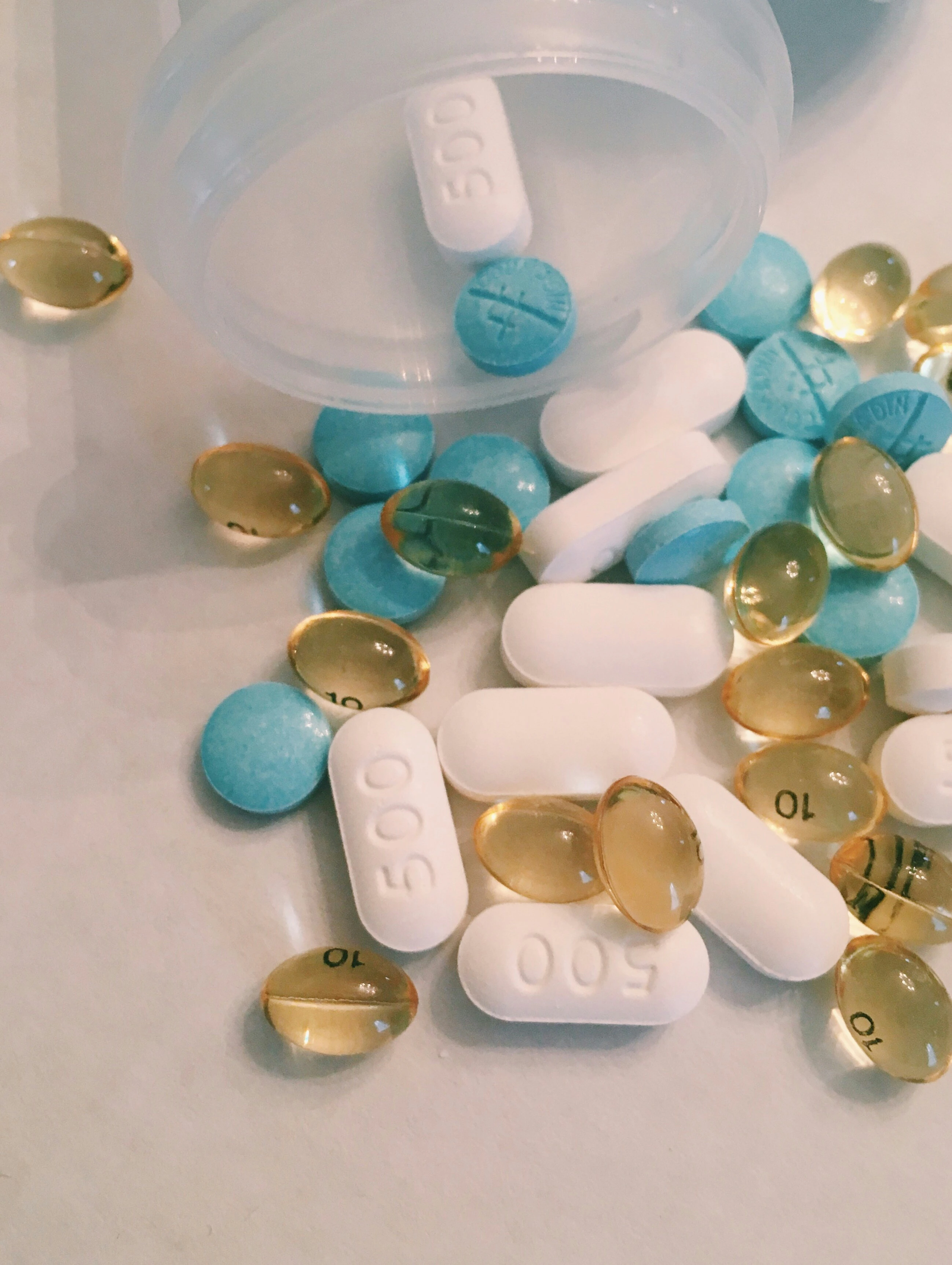
Strains that support digestive and vaginal microbiome health
Not all probiotics are the same. Benefits are strain-specific, which means the exact bacteria on the label matter far more than the brand name or a big CFU number on its own.
For intimate health, the standout family is Lactobacillus. In a healthy vaginal microbiome, Lactobacillus species dominate and produce lactic acid that keeps the pH low and unfriendly to harmful microbes. Research indicates Lactobacillus is far more prevalent in healthy women than in those with symptoms, underscoring how central these strains are to intimate balance.
A few of the most studied strains for women include:
- Lactobacillus rhamnosus and Lactobacillus reuteri, often paired for vaginal and urinary support.
- Lactobacillus crispatus, one of the strongest markers of a stable, protected vaginal environment.
- Lactobacillus acidophilus, a versatile strain studied for both digestive comfort and intimate balance.
For digestion and regularity, Bifidobacterium strains such as Bifidobacterium lactis and Bifidobacterium longum are well researched for easing bloating and supporting a comfortable, predictable gut. A thoughtful women's formula usually blends Lactobacillus and Bifidobacterium so it works across both systems. If you want to go deeper on choosing strains for digestion specifically, see our guide to the best probiotics for gut health.
Probiotics for bloating, mood and immunity
The gut does far more than digest food. It is one of the busiest command centres in the body, and its influence reaches your comfort, your mood and your defences.
Bloating and digestion. Bloating often comes down to an imbalance between helpful and less helpful bacteria, plus how efficiently your gut moves things along. The right Bifidobacterium and Lactobacillus strains can help restore balance, ease gas and support more regular, comfortable digestion. For many women this is the first change they notice.
Mood and the gut-brain link. Your gut and brain are in constant conversation through the gut-brain axis. The gut helps produce and regulate chemical messengers that influence how calm or frazzled you feel. A balanced microbiome will not replace mental health care, but supporting your good bacteria is a reasonable, gentle part of feeling steadier day to day.
Immunity. This is where the gut really earns its reputation. Roughly 70 to 80 percent of the body's immune cells reside in the gut, which is why digestive balance is so tied to how well you fend off everyday bugs. A well-fed, diverse microbiome gives your immune system a stronger foundation to work from, something that matters through busy seasons, travel and the demands of parenting.
What to look for in a women's probiotic supplement
The supplement aisle is crowded and the marketing can be loud. A common frustration I hear is that women feel they are guessing. These are the details that genuinely separate a working probiotic from a placebo in a pretty bottle.
- Named strains, not just species. Look for the full strain designation, for example Lactobacillus rhamnosus GR-1, so you know the exact bacteria being used and can match it to the research.
- A guaranteed CFU through expiry. CFU (colony-forming units) tells you how many live bacteria you are getting. What matters is that the count is guaranteed at the end of shelf life, not just on the day it was bottled.
- Survival technology. Live cultures are fragile. Stomach acid destroys most standard probiotics before they ever reach the gut, so delivery matters as much as the strain. This is exactly the problem Velobiotics set out to solve: its patented Microencapsulation with Supercritical CO2 (MEP) technology shields live cultures so far more survive gastric acid and arrive in the gut alive, doctor-formulated and lab-tested.
- Women-specific formulation. A blend chosen for the gut and vaginal microbiome together will serve you better than a generic multi-strain capsule.
- Third-party quality checks. GMP certification, lab testing and a money-back guarantee signal a brand that stands behind what is inside.
Independent scientists urge realistic expectations too. The American Society for Microbiology notes that while oral probiotics can influence the vaginal microbiome, results vary by strain and person, so read the science carefully rather than the hype. Choosing a clinically minded, transparent brand is the most reliable way to give yourself a real chance of benefit.
How to add probiotics to a daily wellness routine
Consistency beats intensity. Good bacteria need a steady presence and a welcoming environment to settle in and do their work, so a simple daily habit outperforms occasional heroic doses.
A practical routine looks like this:
- Take it daily, at the same time. Pick a moment you will not forget, such as with breakfast or beside your morning coffee. Regularity is what builds a resilient microbiome.
- Feed your bacteria. Probiotics are the good bacteria; prebiotic fibre is their food. Add vegetables, oats, legumes, garlic and onions to help them thrive.
- Give it time. Many women feel digestive changes within one to two weeks, while intimate and immune benefits usually build over four to eight weeks. Do not judge a probiotic in three days.
- Support it with the basics. Sleep, hydration and stress management all shape your microbiome. Probiotics work best as part of a wider self-care picture.
- Adjust around big changes. After antibiotics, during pregnancy or through menopause, your needs shift. It is worth reassessing your formula at these moments, and confirming with your doctor when a health concern is involved.
If you are still comparing options, our roundups of the best probiotics in South Africa for 2026 can help you narrow the field with a clear checklist.
Your gut, immune system and intimate health are more connected than most supplements acknowledge, and the right daily probiotic can support all three at once. If you are not sure which formula fits your body and life stage, take the Velobiotics BioMatch quiz to get a strain recommendation tailored to your needs, then commit to it daily for a full eight weeks and let the good bacteria do their quiet work.
Frequently asked questions
Can one probiotic support both gut and vaginal health?
Yes. Certain Lactobacillus strains taken by mouth can support the gut and travel to influence the vaginal microbiome. Look for a formula that names strains studied for both.
How long before a women's probiotic starts working?
Many women notice digestive changes within one to two weeks, while intimate and immune benefits often build over four to eight weeks of daily use.
Are probiotics safe during pregnancy?
Many Lactobacillus and Bifidobacterium strains are generally considered safe in pregnancy, but always confirm with your doctor or midwife before starting any supplement.
Do probiotics need to survive stomach acid to work?
Yes. Live cultures must reach the gut alive to have any effect, which is why delivery technology that shields them from gastric acid matters as much as the strain itself.
What CFU count should a women's probiotic have?
There is no single magic number. What matters is that the CFU is guaranteed through the expiry date and matches the dose studied for the strains in the formula.