

Lifestyle Changes for Preventing BV: A Doctor’s Guide to Long-Term Balance in 2026
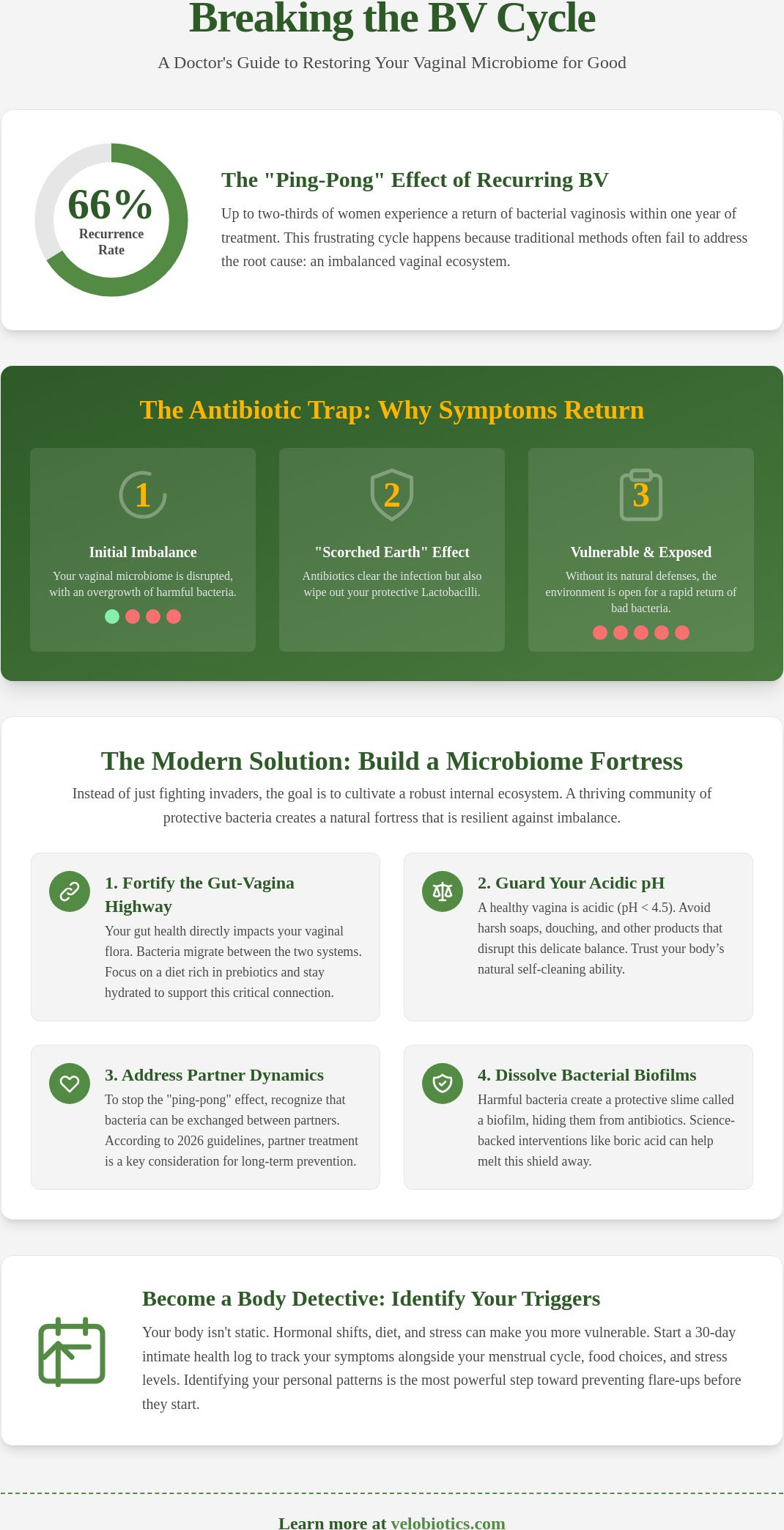
Did you know that up to 66% of women experience a recurrence of bacterial vaginosis within just one year of treatment? It's a staggering figure that explains why so many patients walk into my clinic feeling defeated by the "ping-pong" effect of symptoms. You've likely followed every prescription to the letter, yet that familiar frustration returns. It's exhausting to deal with the odor and confusion, especially when standard hygiene advice feels like it's failing you. The truth is that lasting relief requires more than just a round of antibiotics; it demands specific lifestyle changes for preventing bv that address your internal environment.
I'm here to provide the clinical roadmap you've been searching for to finally restore your vaginal microbiome. We'll explore the latest 2026 medical guidelines, including the critical shift toward partner treatment and the undeniable link between your gut health and vaginal balance. You'll gain a clear, actionable plan that covers everything from dietary shifts to the science of bioviability. By the end of this guide, you'll have the confidence to stop managing symptoms and start protecting your body's natural defenses.
Key Takeaways
- Stop the antibiotic trap by shifting your focus from killing bacteria to building a resilient, balanced microbial community.
- Map the "internal highway" to see how your gut health and dietary choices dictate the environment of your vaginal flora.
- Adopt essential lifestyle changes for preventing bv by trusting your body's self-cleaning abilities and avoiding harsh, alkaline surfactants.
- Guard your pH during intimacy to prevent the "ping-pong" effect of recurring symptoms passed between partners.
- Use science-backed interventions like boric acid to melt away the protective biofilms that keep bad bacteria hidden from treatment.
Beyond the Antibiotic Cycle: Why Lifestyle is the Real Key to Preventing BV
Many people view Bacterial vaginosis (BV) as a simple infection you catch and then kill with a pill. This perspective is outdated. In my clinical experience, I've found it's more accurate to describe it as a community-level dysbiosis. Think of your vaginal ecosystem as a delicate neighborhood where the good residents have been outnumbered by bad ones. While approximately 29% to 30% of women in the U.S. aged 14 to 49 currently deal with this imbalance, the standard medical response often fails to address the root cause.
When you take antibiotics, you're essentially using a scorched-earth policy. While these drugs clear out the harmful bacteria, they also wipe out your protective Lactobacilli. This creates the antibiotic trap. Without those protective guards, the neighborhood is left wide open for the bad bacteria to move back in even faster. This is why more than 50% of women experience a recurrence within six months. Breaking this cycle requires intentional lifestyle changes for preventing bv that focus on rebuilding your natural defenses rather than just suppressing symptoms.
To better understand how these dynamics work in real-time, watch this helpful video:
In 2026, research has solidified the fact that lifestyle is the primary driver of long-term remission. We've shifted our clinical focus toward building a Vaginal Microbiome Fortress. This isn't about a one-time fix; it's about creating an environment so robust that opportunistic bacteria simply cannot gain a foothold. This approach recognizes that internal environmental factors are the key to keeping your protective flora alive and active.
The Role of Protective Lactobacilli
A healthy vagina is a high-acid environment, typically maintaining a pH below 4.5. This acidity is maintained by specific Lactobacilli that produce hydrogen peroxide (H2O2). These bacteria act as your biological security team. The biggest challenge we face is the biofilm created by Gardnerella vaginalis. This sticky shield protects bad bacteria from both antibiotics and your immune system. Attempting to clean the area with soaps or douches only strips away your Lactobacilli and weakens the acid mantle. This makes it easier for biofilms to form and harder for your body to recover.
Identifying Your Personal Triggers
Your body isn't a static environment; it fluctuates with your hormones. Estrogen levels directly impact glycogen, which is the primary food source for your beneficial bacteria. Many patients find their symptoms flare right after their period when pH levels naturally rise. I recommend starting a 30-day intimate health log. Note your diet, stress levels, and cycle phase. Tracking these patterns is one of the most effective lifestyle changes for preventing bv because it allows you to anticipate and neutralize triggers before they lead to a full-blown flare-up. Supporting your system with targeted options like Femina Probiotic Capsules can provide the extra reinforcement your microbiome needs during these vulnerable shifts.
The Gut-Vagina Connection: Dietary Shifts to Support Your Flora
One of the most overlooked aspects of vaginal health is what I call the "internal highway." The anatomical proximity of the rectum to the vaginal canal means that bacteria frequently migrate between these two systems. If your gut microbiome is dominated by pathogens, your vaginal flora will eventually reflect that same imbalance. This physiological reality is why focusing on your digestive health is one of the most effective lifestyle changes for preventing bv. You aren't just treating a localized issue; you're managing a systemic microbial environment.
Hydration is another critical factor that many patients ignore. Your vaginal secretions and mucous membranes rely on adequate water intake to maintain their protective barrier. When you're dehydrated, these secretions become more viscous and less effective at flushing out opportunistic bacteria. Think of hydration as the irrigation system for your "microbiome fortress." Along with water, incorporating natural prebiotics like garlic, onions, and chicory root provides the necessary fuel for your beneficial bacteria to thrive. These fibers aren't digested by you; they're specifically for the "good guys" in your system as part of a broader strategy for the prevention of bacterial vaginosis.
Starving the Overgrowth: Sugar and BV
Pathogens like Gardnerella and Candida thrive on glucose. When you consume a high-glycemic diet, the sugar levels in your vaginal secretions can spike, providing a literal buffet for harmful bacteria. I recommend swapping processed sugars for low-GI berries, which support immune function without feeding the overgrowth. For a deeper dive into how your body processes these microbes, you can read our guide on Probiotics for Digestive Health. Reducing refined carbohydrates is one of the most immediate lifestyle changes for preventing bv that you can implement today.
Fermented Foods vs. Targeted Supplements
While kimchi, kefir, and sauerkraut are excellent for general microbial diversity, they often lack the biological viability to colonize the vaginal tract specifically. The stomach's harsh acidic environment destroys most food-based probiotics before they can ever reach the "internal highway." For targeted protection, you need specialized strains like Lactobacillus rhamnosus and Lactobacillus reuteri. These specific warriors are clinically proven to survive the journey and establish themselves where they're needed most. I often suggest starting with a high-potency formula like Velo16 Probiotic Digestive Capsules to ensure your gut isn't acting as a reservoir for recurring infection.
Intimate Habits: Debunking Hygiene Myths that Fuel Recurrence
I often tell my patients that the vagina is essentially a self-cleaning oven. It's a sophisticated biological system designed to maintain its own equilibrium through secretions and a precisely tuned acidic environment. Despite what marketing campaigns for "feminine hygiene" products suggest, you don't need to scrub the interior. In fact, doing so is one of the quickest ways to invite dysbiosis. When you use traditional soaps, you're introducing alkaline surfactants into an environment that must remain acidic (pH 3.5 to 4.5) to survive. This chemical clash destroys the acid mantle, the protective film that prevents pathogens from adhering to your vaginal walls.
Your laundry routine also plays a significant role in your microbial health. Many commercial detergents are loaded with heavy fragrances and harsh chemicals that can remain trapped in the fibers of your underwear. These residues cause micro-irritations on the delicate vulvar skin, creating tiny entry points for opportunistic bacteria. Similarly, feminine wipes often contain preservatives and alcohols that strip away natural oils and reduce microbial diversity. If you're serious about lifestyle changes for preventing bv, your first step is to simplify your routine. Eliminating these chemical stressors allows your body's natural defenses to recover without constant interference.
The Danger of Douching
Douching is perhaps the most damaging habit I see in clinical practice. Research shows it's entirely detrimental to vaginal health. By forcing liquid into the vaginal canal, you aren't "cleaning" it; you're actually pushing surface bacteria further up into the cervix and uterus. This significantly increases the risk of Pelvic Inflammatory Disease (PID). Even "natural" solutions, like vinegar douches, are problematic because they can over-acidify and irritate the mucosal lining. For effective BV Prevention Steps, stick to plain warm water for external vulvar cleaning only. Your internal flora will handle the rest.
Fabric and Friction: Choosing Your Wardrobe
The environment outside your body affects the environment inside. To keep your microbiome balanced, you must prioritize breathability. 100% cotton underwear is non-negotiable because it allows moisture to evaporate. Synthetic fabrics like polyester or nylon trap heat and sweat, creating a warm, damp incubator for anaerobic bacteria. I also advise patients to be wary of the "thong effect." The constant friction and the way these garments sit can facilitate the transfer of bacteria from the rectal area toward the urethra and vagina. These mechanical factors are vital lifestyle changes for preventing bv. Whenever possible, sleep "commando" to allow for maximum airflow and to give your skin a break from constant moisture buildup.
Sexual Health & Partner Dynamics: Preventing the 'Ping-Pong' Effect
Sexual activity is one of the most common triggers for a BV flare-up, but it's rarely about the act itself. The primary culprit is the chemistry of semen. Human semen is naturally alkaline, typically ranging from a pH of 7.2 to 8.0, which is a massive contrast to the acidic environment your vagina requires to stay healthy. When semen enters the canal, it temporarily spikes the pH, creating a window of opportunity for pathogens to flourish. Implementing specific lifestyle changes for preventing bv during your intimate routine can neutralize this biological shift and protect your microbiome's integrity.
Beyond chemistry, we have to look at the tools involved. Intimate toys are often the overlooked "smoking gun" in cases of chronic recurrence. Bacteria can form resilient biofilms on silicone and plastic surfaces that standard soap doesn't always reach. If you're using toys, they must be sanitized with medical-grade cleaners or boiled if the material allows. Communication with your partner is just as vital. Discussing the "ping-pong" effect isn't about blame; it's about acknowledging that your microbiome is a shared environment that requires mutual care to prevent the constant transfer of anaerobic bacteria back and forth.
The Post-Intimacy Protocol
I recommend a three-step protocol to my patients to minimize post-sex disruptions. First, urinate immediately to flush any bacteria from the urethra. Second, perform a gentle external rinse with warm water. Never use soap internally, as we've already established how surfactants damage the acid mantle. Finally, if you find that symptoms consistently flare after intercourse, consider using a pH-balancing suppository to help your system return to its acidic baseline quickly. For this specific need, Femina Probiotic COOKIE FRESH Suppositories provide the necessary acidification and probiotic reinforcement to prevent a full-blown imbalance.
Partner Treatment: What the Science Says in 2026
As of late 2025, the clinical landscape for partner management has changed significantly. The American College of Obstetricians and Gynecologists (ACOG) now recommends concurrent treatment for male sexual partners in cases of recurrent, symptomatic BV. This shift addresses the "reservoir" theory, where partners may carry Gardnerella vaginalis without showing any symptoms themselves. The current recommended regimen, based on the StepUp clinical trial, involves a 7-day course of oral metronidazole and topical clindamycin for the partner. Using condoms for at least 30 days during this treatment phase is one of the most effective lifestyle changes for preventing bv, as it allows your own Lactobacilli to "re-seed" and stabilize without the constant interference of alkaline semen or foreign bacteria.
Clinical Support: When Lifestyle Needs a Scientific Boost
While the lifestyle changes for preventing bv that we've discussed are essential for long-term health, I often see patients whose biological environment is too compromised for habits alone to fix. If you've been trapped in a cycle of recurrence for months, you aren't just fighting bacteria; you're fighting a biofilm. This is a sophisticated, sticky shield that pathogens like Gardnerella build to protect themselves from your immune system and standard antibiotics. When this shield is present, even the most disciplined dietary and hygiene shifts might not be enough to evict the bad residents. In these cases, we need a targeted clinical intervention to break the barrier and allow your microbiome to reset.
The "gold standard" for breaking this cycle in 2026 is a dual-track approach: clearing the path and immediately re-seeding the area with protective flora. Most generic advice tells you to "just take a probiotic," but this ignores the fundamental problem of biological viability. If the probiotics you take are destroyed by stomach acid or if the vaginal pH is too high for them to survive, they won't do any good. This is where our proprietary micro-encapsulation technology comes in. By sealing active ingredients in a protective shield, we ensure they reach their destination alive and ready to colonize, solving the delivery gap that causes many other treatments to fail.
Boric Acid: The Biofilm Buster
Boric acid is a powerful tool because it acts as a desiccant, physically breaking down the protective biofilm that keeps pathogens hidden. It also serves as a rapid pH reset, pulling the environment back into the ideal acidic range of 3.8 to 4.5. For an acute reset when you feel a flare-up beginning, Femina Cookie Fresh Boric Acid Only Suppositories can provide the necessary acidification to stop bad bacteria from multiplying. It's critical to remember that boric acid is for vaginal use only; you should never ingest it under any circumstances.
The Power of Probiotic Synergy
Once the biofilm is disrupted, you must immediately re-seed the environment with beneficial Lactobacilli. If you don't, the bad bacteria will simply rebuild their fortress. Using a product like Femina Probiotic COOKIE FRESH with Boric Acid provides a synergistic effect by clearing the path and delivering probiotics simultaneously. I also recommend a dual-track approach using oral Femina™ Probiotic Capsules with Cranberry to support the "internal highway" we discussed earlier. This comprehensive strategy ensures that your lifestyle changes for preventing bv are supported by the most advanced microbial science available. For a deeper look at which specific strains you need, you can explore our Probiotics for BV: A Doctor’s Guide.
Reclaiming Your Biological Confidence
Achieving long-term vaginal health is a journey from reactive treatment to proactive protection. By addressing the gut-vagina connection and eliminating disruptive hygiene habits, you're building a microbiome fortress that resists pathogens naturally. These lifestyle changes for preventing bv work best when you support your body's biological viability. Whether it's choosing breathable fabrics or managing partner dynamics, every small adjustment helps stabilize your internal pH and supports your body's natural defenses.
When your system needs extra reinforcement, our clinical solutions offer the precision your body deserves. Clinically formulated by medical doctors, our products use proprietary micro-encapsulation technology to ensure a targeted 16-strain probiotic delivery that actually reaches its destination alive. Don't let the cycle of recurrence hold you back any longer; it's time to utilize delivery systems that solve the biological hurdles others ignore.
Take Control of Your Balance with Femina Cookie Fresh Probiotic Suppositories
You now have a clear roadmap to break the cycle and restore your body's natural harmony. Trust your biology and move forward with confidence; your body knows how to find its balance again when given the right environment.
Frequently Asked Questions
Can changing my diet really stop BV from coming back?
Dietary adjustments are highly effective because they starve pathogens of glucose. Reducing refined sugars helps prevent the spikes in vaginal secretions that often feed Gardnerella. This is a foundational part of lifestyle changes for preventing bv. By focusing on low-GI foods like berries and leafy greens, you create a biological environment where beneficial Lactobacilli can easily outcompete harmful bacteria for resources.
How long does it take for lifestyle changes to show results for BV prevention?
You should expect to see significant stabilization within 30 to 90 days of consistent effort. While some local improvements happen quickly, rebuilding a robust "microbiome fortress" requires time for the beneficial bacteria to colonize and form protective layers. Consistency with your new habits is the key to breaking the long-term cycle of recurrence and ensuring your body stays balanced.
Is it safe to use boric acid suppositories every time I have my period?
Using boric acid as a preventative measure during your period is a sound clinical strategy for many patients. Since menstrual blood is alkaline, it naturally raises your vaginal pH, which can trigger a flare-up. A single suppository during these vulnerable days can help pull the pH back into the acidic range before opportunistic bacteria gain a foothold and begin to multiply.
What is the best type of underwear to prevent bacterial vaginosis?
The best choice for intimate health is 100% cotton underwear. Cotton is highly breathable and allows moisture to evaporate rather than trapping it against your skin. Avoid synthetic fabrics like polyester or nylon; these materials create a warm, damp environment that serves as an ideal incubator for the anaerobic bacteria. Maintaining a dry environment is a simple yet vital habit.
Can my partner give me BV even if it's not an STI?
Yes, a partner can contribute to recurrence through the "ping-pong" effect. Even though BV isn't an STI, semen is alkaline and can disrupt your pH balance during intimacy. Additionally, partners can act as a reservoir for specific bacteria. This is why the latest 2026 guidelines suggest concurrent treatment for partners in cases of frequent recurrence to ensure long-term success.
Should I take oral probiotics or use vaginal suppositories for BV?
For the most comprehensive results, I recommend a dual-track approach. Vaginal suppositories provide immediate pH correction and local re-seeding, while oral probiotics address the gut reservoir and the "internal highway" of bacteria. Integrating both into your lifestyle changes for preventing bv ensures that you are treating the system from both the inside out and the outside in for maximum viability.
Does stress affect the vaginal microbiome and cause BV?
Stress definitely impacts your vaginal health by increasing cortisol levels in the body. High cortisol can disrupt your immune system and lower the amount of glycogen available in the vaginal lining. Since glycogen is the primary food for your "good" bacteria, chronic stress can inadvertently starve your protective flora and leave you vulnerable to the overgrowth of harmful, odor-causing bacteria.
Can I use coconut oil as a natural lubricant if I'm prone to BV?
I generally advise against using coconut oil as a lubricant if you're prone to BV. While it has mild antimicrobial properties, its heavy oil base can trap bacteria against the vaginal wall and interfere with the natural flushing process. Stick to water-based, pH-balanced lubricants that won't disrupt your delicate microbial ecosystem or damage the protective acid mantle your body works hard to maintain.

Disclaimer
Information and statements regarding dietary supplements/products have not been evaluated by the Food and Drug Administration, MCC/SAHPRA, MHRA, TGA or any other drug regulatory authority and are not intended to diagnose, treat, cure, or prevent any disease. Information on this website is provided for informational purposes only and is a result of years of practice and experience by the author. This information is not intended as a substitute for the advice provided by your physician or other healthcare professional or any information contained on or in any product label or packaging. Do not use the information on this website for diagnosing or treating a health problem or disease, or prescribing medication or other treatment. Always speak with your physician or other healthcare professional before taking any medication or nutritional, herbal, or homeopathic supplement, or using any treatment for a health problem. If you have or suspect that you have a medical problem, contact your healthcare provider promptly. Do not disregard professional medical advice or delay in seeking professional advice because of something you have read on this website.