

Preventing Yeast Infections During Summer: A Doctor’s Practical Guide to an Itch-Free Season
Why does it feel like your summer vacation always comes with an uninvited guest in the form of intense itching and burning? It's incredibly frustrating when a long-awaited beach trip is sidelined by the physical discomfort and the frantic search for a pharmacy. You've likely spent hours wondering which products are actually safe or why your body seems to rebel the moment the temperature hits eighty degrees. Preventing yeast infections during summer isn't just about luck; it's about understanding the "pH heatwave" that occurs when humidity and heat disrupt your delicate vaginal microbiome.
Key Takeaways
- Understand how the "pH heatwave" caused by summer humidity disrupts your vaginal ecosystem and creates the perfect environment for fungal overgrowth.
- Discover the specific "Wet Swimsuit Rule" and wardrobe adjustments essential for preventing yeast infections during summer.
- Identify the common summer beverages and snacks that inadvertently feed yeast blooms and learn how hydration acts as a natural flushing mechanism.
- Master a simple 5-step post-activity protocol to reset your vaginal health after swimming or exercising.
- Learn why standard probiotic supplements often lose potency and how specialized delivery technology protects beneficial bacteria for maximum efficacy.
The Summer Microbiome: Why Heat and Humidity Trigger Yeast Overgrowth
Think of your vaginal microbiome as a bustling, living ecosystem. It's home to a diverse community of "good" and "bad" residents that are constantly competing for space and resources. In a healthy state, your beneficial bacteria are the dominant force, maintaining a highly acidic environment that acts as a natural shield. However, the summer season introduces environmental stressors that can quickly flip the script. When you sweat, that moisture doesn't just stay on your skin. It carries a higher pH and can migrate, shifting the local environment from its protective acidic state toward a more alkaline one. This subtle biochemical shift is often all it takes for a Vaginal yeast infection to begin.
This vulnerability is compounded by what I call the "Thermostat Effect." Fungus, particularly yeast, is incredibly efficient at reproducing in warm, damp conditions. Your internal body temperature of 98.6 degrees combined with external summer humidity creates a literal incubator for fungal growth. Candida albicans is an opportunistic fungus that blooms when acidic defenses drop. Preventing yeast infections during summer requires us to proactively manage these internal and external environmental factors before they reach a critical threshold.
The Role of Lactobacillus: Your Body’s Natural Bodyguards
Lactobacillus bacteria are the heroes of this story. They consume glycogen and produce lactic acid, which is the primary mechanism for keeping your vaginal pH low and hostile to yeast. During the summer, your body faces unique challenges. Intense heat and systemic dehydration can actually lower your bodyguard count, making it harder for your body to maintain that protective acid mantle. When these bacterial populations are stressed, the door opens for yeast to take over. This is why reinforcing your microbiome with high-quality, viable bacteria is so important. You might consider adding Femina™ Probiotic Capsules to your routine to help maintain that critical bacterial balance when the temperature rises.
Chlorine and Saltwater: The Double-Edged Sword
A refreshing dip in the pool or the ocean is a summer staple, but it introduces new variables to your microbiome's delicate chemistry. Chlorine is a powerful antimicrobial designed to keep public water safe by killing bacteria. The problem is that chlorine doesn't discriminate. It can wipe out your beneficial Lactobacillus just as easily as it kills harmful pathogens. This leaves your defenses temporarily lowered right when you're most exposed to moisture. Preventing yeast infections during summer becomes difficult when your natural "bodyguards" are sidelined by pool chemicals.
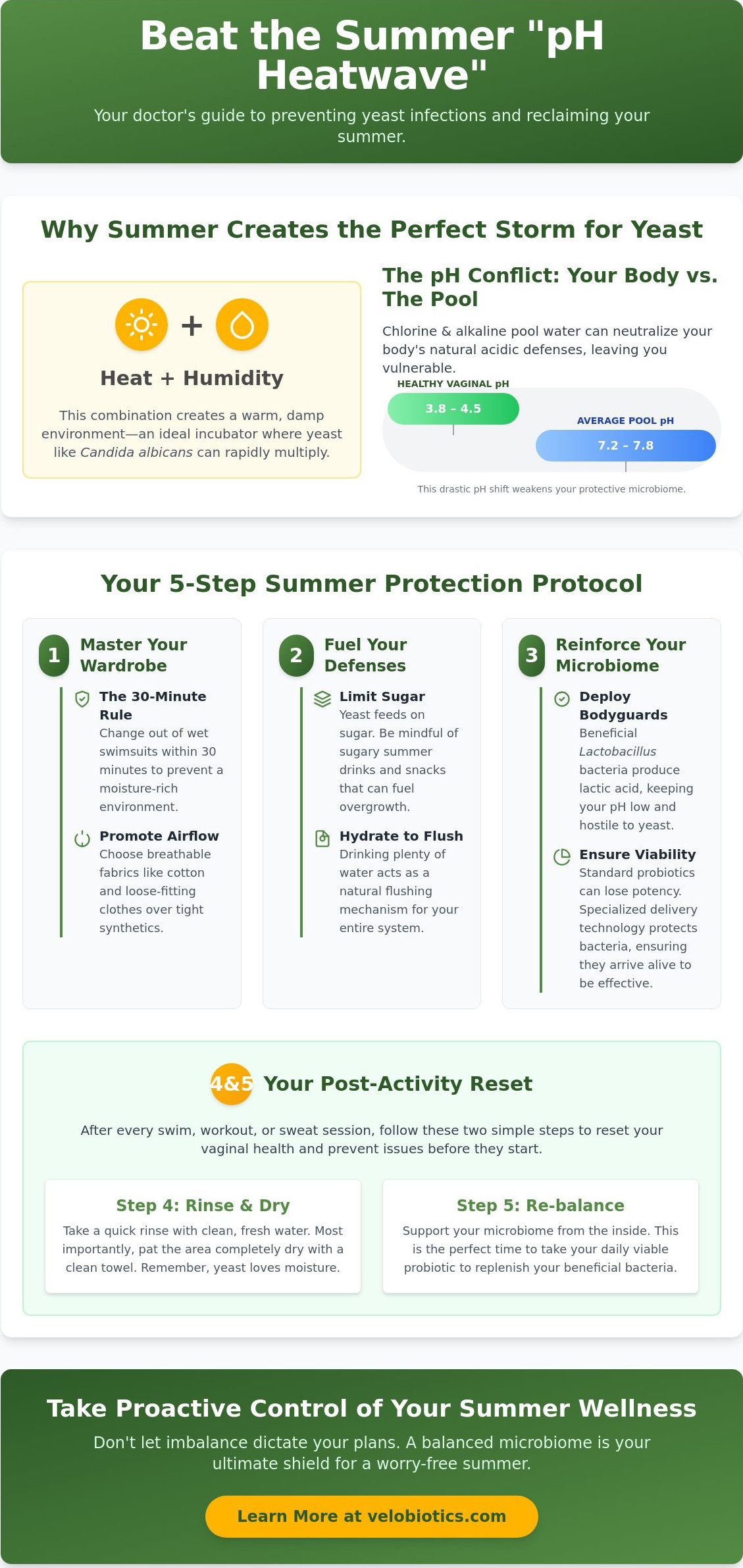
Saltwater presents its own set of hurdles. While natural, its high salt content is remarkably drying. This can lead to micro-tears in the delicate vaginal mucosa, which act as entry points for irritation and infection. There's also a significant pH conflict at play. Most swimming pools are maintained at a pH between 7.2 and 7.8 to protect the plumbing and prevent eye irritation. Compare that to a healthy vaginal pH, which should sit between 3.8 and 4.5. When alkaline pool water enters the canal, it neutralizes your natural acidity, creating a major hurdle for your body's internal defense system.
The Summer Wardrobe Audit: Breathable Fabrics and the Wet Swimsuit Rule
Your clothing choices create a micro-environment that either supports your microbiome or invites a fungal bloom. Air circulation is the ultimate enemy of yeast, which thrives in stagnant, anaerobic conditions. When we discuss preventing yeast infections during summer, we must address the "Activewear Trap." While modern gym leggings are often marketed as "moisture-wicking," their tight synthetic weave frequently traps heat and perspiration directly against the skin. This creates a high-temperature incubator. If you don't change out of your workout gear immediately after your session, you're essentially providing a petri dish for Candida to flourish.
The most critical directive for any beach or pool day is the 30-Minute Rule. Sitting in a damp swimsuit for hours is the most common summer mistake I see in my clinical practice. Synthetic swimsuit fabrics are designed to hold their shape, not to breathe. The combination of sustained moisture and trapped body heat creates a rapid-growth environment for yeast. Aim to change into dry, loose-fitting clothes within 30 minutes of leaving the water. This simple habit is one of the most effective lifestyle changes you can implement to maintain your internal balance.
Laundry habits also play a significant role in your defense strategy. Those "summer-scented" detergents are often loaded with harsh fragrances and volatile chemicals. These can linger on your underwear, irritating the delicate vulvar skin and disrupting your natural pH. Opt for fragrance-free, hypoallergenic options instead. If you've already noticed a shift in your comfort levels, using Femina Probiotic Cookie Fresh can help restore a healthy environment without the use of harsh, irritating chemicals.
Fabrics That Breathe (And Those That Don't)
Cotton remains the gold standard for intimate health because it is highly absorbent and allows for maximum airflow. Bamboo is another excellent alternative with natural moisture-management properties, while silk is a natural fiber that minimizes skin friction. However, you should consider skipping thongs during the peak heat of July. The thin strip of fabric can act as a physical bridge for bacteria to migrate, increasing the risk of irritation. At night, the best move is to "go commando." Giving your body eight hours of total air circulation is a doctor-recommended strategy for preventing yeast infections during summer.
Hygiene Without the Overkill
Maintaining cleanliness shouldn't mean stripping away your natural defenses. The "Golden Rule" of hygiene is simple: wash the vulva only using plain water or a very mild, pH-balanced cleanser. You should never wash internally; your vagina is a sophisticated, self-cleaning organ. Avoid scented wipes and sprays, which are often marketed as refreshing. These products actually act as a yeast infection's best friend by disrupting the delicate bacterial balance. Focus on keeping the area dry rather than trying to mask natural scents with chemical fragrances.
The pH Defense: How Diet and Proactive Care Stop Yeast Before It Starts
While external factors like wardrobe choices are critical, your internal biochemistry serves as the primary line of defense. The foods and drinks you consume during those long July afternoons directly impact the composition of your vaginal secretions. We often see a spike in infections during vacation season due to the "Sugar-Yeast Connection." Summer staples like frozen cocktails, soda, and even high-glycemic tropical fruits can elevate glucose levels in your system. Since yeast thrives on sugar, these dietary choices can inadvertently fuel a fungal bloom from the inside out.
Hydration plays a vital role in this internal management. Consuming enough water ensures your body can maintain the appropriate volume and consistency of vaginal discharge. This fluid acts as a natural flushing mechanism, helping to remove excess sugars and cellular debris before they can contribute to an imbalance. When you're dehydrated, these secretions become more concentrated, which can lead to localized irritation and a shift in pH. Maintaining a steady intake of water is a simple yet powerful tool in preventing yeast infections during summer.
Understanding the cause-and-effect relationship between your internal environment and active ingredient delivery is essential. If your internal pH is too high, it creates a hostile landscape for beneficial bacteria to take root. This is why proactive care is so important. By managing your internal chemistry, you ensure that any protective measures you take, like using specialized probiotics, have the best possible chance of success. When the environment is stabilized, the delivery of active ingredients becomes significantly more efficient. Preventing yeast infections during summer is much easier when you aren't fighting your own internal chemistry.
Summer Foods That Support Your Microbiome
You can actively reinforce your internal defenses by incorporating fermented foods into your summer diet. Options like kimchi, kefir, and unpasteurized sauerkraut are packed with live cultures that support systemic health. Additionally, cranberry extract is a well-known ally for both urinary and vaginal wellness. It contains proanthocyanidins that help prevent unwanted bacteria from adhering to cell walls. For targeted support that combines these benefits, you might consider Femina™ Probiotic Capsules with Cranberry for Women to maintain your balance throughout the season.
Boric Acid: The Scientific pH Stabilizer
Sometimes your body needs a "reset button" after high-risk activities like a long day at the pool or sexual activity, both of which can temporarily raise your pH. Boric acid is a mild antiseptic that has been used for decades to help restore an acidic environment. It's particularly effective as a proactive measure when you feel your balance is slightly off. Boric acid doesn't kill yeast directly but creates a highly acidic environment where it simply cannot survive or reproduce. Using it strategically can stop a potential infection in its tracks before symptoms become unmanageable.
The Post-Activity Protocol: 5 Steps to Reset Your Vaginal Health
While we've explored the biological triggers and the importance of fabric choices, the most critical window for preventing yeast infections during summer is the sixty minutes following exposure to heat, chlorine, or sweat. I recommend a specific five-step protocol to neutralize environmental stressors before they cause a full-scale microbial shift. This proactive approach ensures that your natural defenses remain intact even after a day at the beach or an intense workout.
- Rinse immediately: Use plain, lukewarm water to remove residual chlorine, salt, or sweat from the vulva. Avoid soaps, as these can further disrupt your pH levels.
- The Pat-Dry Technique: Use a clean, dry towel to gently pat the area. Focus on removing all moisture from skin folds where yeast is most likely to colonize. Rubbing can cause micro-tears, so a gentle patting motion is essential.
- Hydrate and Replenish: Drink at least 16oz of water immediately after your activity. This assists your body's natural flushing mechanisms and helps maintain the volume of protective vaginal secretions.
- The Fabric Switch: Transition to 100% loose cotton underwear and clothing for at least the next four hours. This "breathable window" allows any remaining moisture to evaporate.
- The Microbiome Boost: If you feel any hint of irritation or "tingling," introduce a targeted probiotic suppository. This provides a concentrated dose of beneficial bacteria directly where they're needed most.
If you've spent the day in a high-risk environment, you can proactively restore your balance with Femina Probiotic Cookie Fresh with Boric Acid to ensure your pH stays in the protective zone.
After the Pool or Beach
When you leave the water, the "rinse" is significantly more important than a full "wash." Your goal is to dilute the alkaline pool water or the drying salts on your skin. Be particularly mindful of sunscreen migration. Many sunscreens contain oils and fragrances that can cause intense irritation if they migrate into sensitive areas. I recommend keeping a small "microbiome kit" in your beach bag. This should include a spare pair of cotton underwear, fragrance-free pH wipes for emergencies, and an extra bottle of water specifically for rinsing if a shower isn't available.
After the Summer Gym Session
The danger of modern activewear is that it's designed to stay tight, which holds sweat against the skin even if the fabric is "wicking." This creates a humid micro-climate that is ideal for fungal growth. You should aim to shower and change within 15 minutes of finishing your workout. Waiting even an hour to run errands in your gym clothes significantly increases your risk. Incorporating a targeted probiotic into your post-workout routine can act as a secondary shield, ensuring that the temporary spike in body heat doesn't lead to a long-term imbalance. This is a fundamental step in preventing yeast infections during summer for active women.
Advanced Prevention: Why Viable Probiotics are the Ultimate Summer Shield
Most advice regarding preventing yeast infections during summer focuses on external hygiene, but true resilience comes from biological viability. The "Delivery Problem" is a significant hurdle that many standard probiotic supplements fail to address. When you consume a typical probiotic pill, the beneficial bacteria are often already compromised by shelf-life heat or destroyed by stomach acid before they ever reach their destination. For a probiotic to be effective, it must arrive at the target site alive and ready to colonize. Without a specialized delivery system, you're essentially paying for inactive ingredients that provide no functional benefit to your microbiome.
To solve this, we utilize micro-encapsulation technology. Think of this as a protective suit of armor that shields each delicate bacterium from environmental stressors like high summer temperatures and internal acidity. This proprietary technology ensures that 1000x more bacteria reach their destination compared to unprotected market alternatives. By maintaining the viability of these "good" residents, we can effectively crowd out opportunistic yeast. Preventing yeast infections during summer becomes a much more predictable process when you use science to ensure your bacterial reinforcements actually survive the journey.
The most sophisticated approach to summer defense involves the synergy of Boric Acid and probiotics. Boric Acid acts as a gentle clearing agent, lowering the vaginal pH and removing the biofilm that yeast uses for protection. Once the path is cleared, we plant the seeds by introducing viable Lactobacillus. This two-step process is the logic behind Femina Probiotic COOKIE FRESH Suppositories with Boric Acid. It provides an immediate pH reset while simultaneously establishing a long-term colony of beneficial bacteria to prevent future overgrowth.
Suppositories vs. Oral Capsules
While both delivery methods have their place, direct application via suppositories is often the fastest way to restore vaginal balance during an active summer. Suppositories bypass the digestive system entirely, delivering active ingredients exactly where they're needed. However, oral probiotics like Velo16 Probiotic Digestive Capsules play a vital role in supporting the "gut-vagina axis." A healthy gut microbiome serves as a reservoir for beneficial bacteria that naturally migrate to the vaginal tract. For a deep dive into how we ensure these bacteria make it through your system, read our guide on Probiotics That Survive Stomach Acid.
The Velobiotics Difference: Science-Backed Summer Protection
Our commitment to research and development has led to a unique market position where biological viability is the primary metric of success. We don't just list ingredients; we guarantee their successful delivery. "Cookie Fresh" is specifically formulated to handle the intense environmental shifts of the season, focusing on both immediate relief and sustainable colonization. For the best results, I recommend starting your probiotic regimen at least two weeks before your summer vacation. This lead time allows your microbiome to reach a state of peak resilience, ensuring you can enjoy every beach day with total confidence.
Reclaim Your Summer with Science-Backed Confidence
You now have the clinical tools to turn this season from a cycle of discomfort into a time of total freedom. By managing your internal pH through hydration, auditing your summer wardrobe for breathability, and following a strict post-swim protocol, you're taking proactive steps toward lasting balance. Preventing yeast infections during summer doesn't have to be a guessing game when you understand the biological mechanisms at play and how to intervene before a bloom begins.
The final piece of the puzzle is ensuring your microbiome has the reinforcements it needs to thrive. Standard probiotics often fail because they don't survive environmental stressors, but our proprietary micro-encapsulation technology ensures 1000x better delivery of live, active bacteria. As a medical doctor and biotechnology expert, I've formulated a dual-action solution that uses Boric Acid to reset your pH while viable probiotics restore your natural ecosystem. This scientific approach bridges the gap between clinical research and your daily routine.
Keep your 'Cookie Fresh' this summer with our Doctor-formulated Boric Acid + Probiotic Suppositories and enjoy the beach without a second thought. You deserve an itch-free season filled with nothing but sunshine and peace of mind. Go out there and make the most of the heat, knowing your body is protected.
Frequently Asked Questions
Can I swim with a yeast infection?
You can swim with an active infection, but you must be extremely cautious about irritation. Chlorine and saltwater can aggravate already inflamed tissues, potentially worsening your discomfort. If you choose to swim, follow the 30-minute rule strictly by rinsing with plain water and changing into dry, breathable cotton clothes immediately after leaving the pool or ocean.
How often should I change my tampon during a hot summer day?
You should change your tampon every three to four hours during high-heat days. Increased temperatures lead to higher localized humidity, which can accelerate bacterial and fungal growth. Additionally, sweat can travel down the tampon string, introducing external moisture and potential irritants into the vaginal canal, so frequent changes are a biological necessity for maintaining balance.
Is it okay to use boric acid every day in the summer?
Daily use of boric acid is generally not recommended unless specifically directed by your doctor for a short-term reset. Boric acid is a powerful tool for stabilizing pH, but overusing it can lead to localized dryness or irritation. It's most effective when used strategically as a "reset button" after high-risk triggers like sexual activity or a full day spent in a wet swimsuit.
Why does my yeast infection keep coming back every August?
August often represents the peak of thermal and humidity stress on your body. This cumulative environmental pressure, combined with summer lifestyle changes like increased sugar intake from seasonal treats, often leads to a tipping point for your microbiome. Focusing on preventing yeast infections during summer requires extra vigilance during this specific month, especially regarding the 30-minute rule for wet clothing and maintaining consistent hydration to support natural flushing.
Can men get yeast infections from their partners during the summer?
Yes, yeast can be passed between partners, and men are also susceptible to fungal overgrowth in their own skin folds during hot weather. Moisture trapped under the foreskin or in the groin area creates a similar "incubator effect" seen in women. Men should focus on keeping the area dry and may benefit from using a high-quality probiotic to support their own skin microbiome health.
What is the best fabric for summer underwear besides cotton?
Bamboo is the superior alternative to cotton because it is highly absorbent and possesses natural antimicrobial properties. It's often more effective at moisture-wicking while remaining soft against sensitive skin. While silk is a natural fiber, it doesn't breathe as well as cotton or bamboo when you're sweating heavily, so save the silk for cooler evenings or air-conditioned environments.
Does drinking cranberry juice really prevent yeast infections?
Drinking standard cranberry juice is rarely effective because most commercial brands are loaded with sugar, which actually feeds yeast overgrowth. While cranberry contains proanthocyanidins that help prevent bacteria from adhering to the bladder wall, it's not a direct cure for fungus. You're much better off using a concentrated cranberry extract paired with viable probiotics to support both urinary and vaginal health simultaneously.
How do I know if it's a yeast infection or just heat rash?
The primary differentiator is the presence and type of discharge. While a heat rash presents as small, red, stinging bumps on the external skin, a yeast infection typically involves intense internal itching and a thick, white, odorless discharge. If you're focusing on preventing yeast infections during summer, remember that heat rash responds to cooling and air, whereas yeast requires a pH reset and bacterial reinforcement to resolve.

Disclaimer
Information and statements regarding dietary supplements/products have not been evaluated by the Food and Drug Administration, MCC/SAHPRA, MHRA, TGA or any other drug regulatory authority and are not intended to diagnose, treat, cure, or prevent any disease. Information on this website is provided for informational purposes only and is a result of years of practice and experience by the author. This information is not intended as a substitute for the advice provided by your physician or other healthcare professional or any information contained on or in any product label or packaging. Do not use the information on this website for diagnosing or treating a health problem or disease, or prescribing medication or other treatment. Always speak with your physician or other healthcare professional before taking any medication or nutritional, herbal, or homeopathic supplement, or using any treatment for a health problem. If you have or suspect that you have a medical problem, contact your healthcare provider promptly. Do not disregard professional medical advice or delay in seeking professional advice because of something you have read on this website.